                                INTERNATIONAL BUSINESS PAGES
“Our manufacturers operate on razor-
thin margins and have less ability to
shoulder this burden compared to our
purchasers, who still need to put food
on the table,” GMAC added.
The government has announced a host
of measures to alleviate the plight of
garment workers whose wages have
been affected because of production
suspensions. In the plan, garment
workers whose factories have closed
will receive 60 percent of the minimum
wage. Two-thirds of that is the respon-
sibility of the factory owners, with the
remaining 20 percent being provided
by the government.
While China’s supply chains have re-
portedly resumed, ensuring the flow of
60 percent of the raw materials used
in Cambodia’s textile industry, cloth-
ing manufacturers are still facing even
greater problems because of the de-
clining supply orders from distributors
and retailers in Europe and the United
States, the main market destinations
for the Kingdom’s garment industry.
“Scores of clothing brands and retail-
ers have cancelled orders without as-
suming financial responsibility even
when workers had finished making
their products,” Human Rights Watch
(HRW) claimed in a statement.
“Many supplier factories in Asia are
strapped for cash and unable to pay
workers’ wages and other compensa-
tion because of the brands’ actions,”
the statement continued, adding that
the COVID-19 pandemic has caused
both the sales of clothing brands and
retailers to plummet.
According to the HRW, many have
closed their retail stores to check the
spread of the virus. While navigating
this crisis, some brands and retailers
have taken advantage of unfair pur-
chasing practices. “Brands should take
steps to minimise the devastating eco-
nomic consequences for garment
workers in their global supply chains
and for their families who depend on
this income to survive,” said Aruna
Kashyap, senior counsel in the
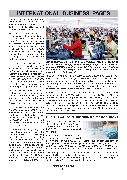
women’s rights division of HRW.Garment workers in a Phnom Penh factory. Buyers who are not honouring
their orders are creating job losses. Through an open letter posted late
last week, GMAC urged all buyers to fulfill their purchase contracts by
taking delivery and paying for goods already produced and currently in
production as is their obligation.
Thus far, HRW said the H&M Group, Inditex (Zara and other brands), and Target
USA have taken steps in the right direction, which these and likely other com-
panies have committed to take delivery of goods already produced or in pro-
duction and pay for them as previously agreed upon. “More brands should take
similar steps to ensure fair treatment of workers, including payment of wages
and other compensation, and minimise job loss,” HRW said.
At present, around 90 of Cambodia’s garment factories have suspended their
operations, resulting in 60,000 job losses, according to the Ministry of Labour
and Vocational Training. Bangladeshi factories have reportedly lost an estimated
$138 million so far due to cancelled or suspended orders from international
brands, while an estimated one million workers have already been laid off or
temporarily suspended. In Myanmar, 20,000 workers have already lost their
jobs and one industry expert estimated that as many as 70,000 garment work-
ers could lose jobs within a week.
OEKO-TEX®: no certification fee for face masks
Zurich, April 20, 2020 - With immedi-
ate effect, the OEKO-TEX® Associa-
tion will waive the license fee for STAN-
DARD 100 certification of mouth and
nose masks.
With the current demand and expert
recommendations to wear mouth and
nose coverings in public, OEKO-TEX® wants to support continued safety of
the population. "We need to stay together in this extraordinary situation: now
and for our future," said General Secretary Georg Dieners. "The crisis chal-
lenges many manufacturers who are confronted with a logistically difficult task.”
This industry support follows the process modifications for certificate renewals
during the Corona pandemic. This adjustment offers an important service for
producers of face masks while ensuring continued sustainability and public
safety from harmful substances during the corona crisis.
NCM-APRIL 2020
84