                                The Comparison, Measuring & Labelling of Energy-efficient Textile Machinery
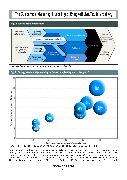
* Simplified flow chart, e.g. not all fabrics are subjected to finishing
The size of the bubbles is proportional to the value of the energy costs in uSD per kg of yarn.
investments etc.) and, secondly, the
energy costs to be paid for the
consumption. energy costs have a
different ranking in different countries.
The lower the wage costs, the greaterthe importance of energy consumption
can be. This is illustrated by the
production costs collected from across
the world by the International Textile
Manufacturers Federation (ITMF).
NCM-APRIL 2020
50The energy cost in textile finishing
represents up to 14 % of total costs in
Germany and is therefore the highest
of all the textile sectors. On average,
the energy costs of German textile