                                NEWS BRIEFS
China. The number of enquiries re-
ceived by Indian exporters have also
increased due to the current situation
in China.
Indian participants
There were 92 exhibitors from India
(53 in Texworld and 39 in Apparel
Sourcing). The participants were
member exporters from TEXPROCIL,
HEPC, ISEPC and ICC showcasing
products made from cotton, silk, wool,
embroidery amongst other categories.
The response of buyers at the Show
was encouraging although not at the
level of previous Texworld editions.
The presence of new buyers were
minimal while many exhibitors re-
corded that only their set of fixed buy-
ers visited the Show and the exhibi-
tors’ continual presence is required so
as to show the latest collections and
trends to these buyers. 3 new Indian
exhibitors to the Show were optimis-
tic about the Texworld and Apparel
Sourcing Show and have confirmed
to participate at least for another 3
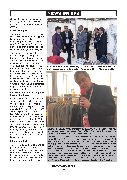
editions of the Show.Mr. Premanand Jothy interacting with the Indian Exhibitors at Texworld
and Apparel Sourcing Fair held in Paris from 10 to 13 February 2020.
Feedback from the participants
through the Council
Overall, some of the exhibitors were
satisfied with the number and quality
of visitors to their stalls while a few
others were unhappy that the
organisers still went ahead with the
Show despite the Corona Virus situa-
tion. Visitor turnout during the second
and third days wore thin as many buy-
ers went to visit the Premier Vision
Show held concurrently with
Texworld. In general, many exhibitors
through the Council were satisfied in
meeting their target business in this
event and are keen to participate
through the Council in the next edi-
tion of the show.
Information Stall
Texprocil had an stall at Texworld as
per the theme of “Incredible Textiles
of India”. All trade inquiries were re-
corded from visitors to the stall. Of
the total trade enquiries received at
the stall, 90% of the visitors required
fabrics while 10% needed yarns.Sustainable alternative to cashmere: Carl E.Krug, from the Mongolian yak
and baby camel hair cluster, explains why Yak hair and baby Camel hair from
Mongolia are excellent and sustainable new fibres.
Commenced in 2017, the EU-funded TRAM project, worth almost EUR 5 million,
for establishment of a cluster of yak and camel wool aims to manufacture final
products made of yak and camel wool, to promote it at foreign markets and to
develop partnership with companies abroad. Representatives from the Wool
and Cashmere Union, Khuvsgul, Zavkhan, Bayankhongor provinces and some
producers have been included in the cluster team. The project will last until 2021
in cooperation with the Ministry of Foreign Affairs and the Mongolian National
Chamber of Commerce and Industry (MNCCI). Mongolia has preferential duty-
free access to the EU market under GSP+ scheme, yet there is low usage of
these benefits due to low capacity of Mongolian products to fulfill EU market
requirements largely due to the lack of necessary standards and regulations.
NCM-MARCH 2020
80