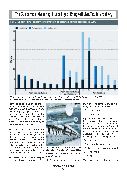
                                The Comparison, Measuring & Labelling of Energy-efficient Textile Machinery
Rationelle energienutzung in der Textilindustrie – Leitfaden für die betriebliche Praxis. november 2001
(Rational energy use in the textile industry – Guidelines for corporate practice.)
must be considered in any energy
analysis of textile machinery :From the perspective of the textile
industry, approach b) for a complete
machine is without question of great
interest. equally important though is
the study which goes beyond the
balance envelope of each machine, as
in c) to e), where it involves the relevant
processes up to the overall study of
the textile production chain.
Points a) to c) are relevant from the
perspective of the machine
manufacturer. If appropriate, d) should
also be subject to examination
because each kilowatt emitted into the
atmosphere means an additional
kilowatt needed for air conditioning the
hall. This is one further important
parameter for feasibility studies
undertaken by the textile company.
The definition of the balance envelopes
is a crucial step to be made before* Electrical energy
* Thermal energy
Equipment that does not directly serve
the production of textile products is
called cross-sectional technologies
based on these primary forms of
energy. They always need to be
considered in the overall energy
analysis to assess the energy
efficiency of a production process.
These include :
- Production of compressed air
pertinent and comparable energy
consumption values can be discussed.- Production of heat (steam, hot water)
Forms of energy in textile
manufacturing- Lighting
The following primary energy sources
NCM-APRIL 2020
54- Air conditioning
These cross-sectional technologies