                                The Comparison, Measuring & Labelling of Energy-efficient Textile Machinery
such as textile machinery requires at
least that :
1. Typical application cases for
products included in this group can
be defined for the product area.
2. Reference processes can be
defined based on typical application
cases.Energy losses in the textile industry
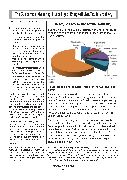
The following figure gives an illustration of where the losses
happen and the relative importance of each loss in the U.S.
textile industry.
3. The reference processes allow
comparable measurements of
relevant “energy indicative values”
and can therefore form the basis for
developing a performance
measurement system on which
each energy label concept must be
based.
4. The measurement standards which
are required (international or
european standards) are available.
5. The complex preparation of the
labelling concept is economically
feasible (cost/benefit ratio). The
additional burdens for small and
medium-sized enterprises must be
particularly taken into account here.Figure: Onsite Energy Loss Profile for the U.S. Textile In-
dustry
It is therefore clear that necessity and
feasibility as well as the costs and
benefits of energy consumption labels
for textile machines should be
considered carefully, as due to the
specific prerequisites and conditions
of the capital goods industry, creating
a meaningful machine label is always
associated with significantly higher
costs than for consumer goods.As shown above, motor driven systems are one of the major
sources of waste of end-use energy waster in the textile in-
dustry. Figure above shows the breakdown of energy used by
motor systems in different processes in the textile industry. As
can be seen, material processing is responsible for the high-
est share of energy used by motor driven systems (31%) fol-
lowed by pumps, compressed air, and fan systems (19%, 15%,
and 14% respectively).
Labelling only leads to its goal if it is a
community project. Machine
manufacturersandtextile
manufacturers need to join together to
assess whether labelling or a different
tool is practical for the provision of
information about environmentally
relevant product characteristics.Again, these percentages in different countries will highly de-
pend on the structure of the textile industry in those countries.
For example, if the weaving industry in a country has a signifi-
cantly higher share of air-jet weaving machines (which con-
sume high amounts of compressed air) than in the U.S., the
share of total motor driven system energy consumed by com-
pressed air energy systems would probably be higher than
indicated in the above Figure.
Outlook
Also in future the textile machinery
manufacturers affiliated with VDMA will
orientate their development of
machines, components and technology
towards economy, ecology and social
responsibility.The VDMA Textile Machinery Association will join with its member companies
to investigate proposals for energy efficiency standards relevance for energy
savings and above all for the potential benefit for the textile manufacturers.
Wherever necessary, VDMA will initiate community projects of member
companies and textile manufacturers. (Courtesy : The Technology and Research
Advisory Board of the Textile Machinery Association, VDMA)
NCM-APRIL 2020
66