Office of the Textile Commissioner Intensifies Industry Engagement to Accelerate Innovation, Sustainability and Integrated Textile Growth
The Office of the Textile Commissioner has significantly intensified its engagement with the Indian textile industry through a series of strategic field visits and high-level review meetings conducted between 13 and 21 June 2026. Led by Smt. Vrunda Manohar Desai, IRS, Textile Commissioner, Government of India, these engagements underscore the Ministry of Textiles’ proactive approach towards strengthening every segment of the textile value chain—from advanced materials and technical textiles to spinning, knitting, garment manufacturing, recycling and integrated textile infrastructure. The visits reflect a governance model that places equal emphasis on industrial growth, technological advancement, sustainability, employment generation and stakeholder consultation, while reinforcing India’s ambition to emerge as a globally competitive and future-ready textile manufacturing powerhouse.
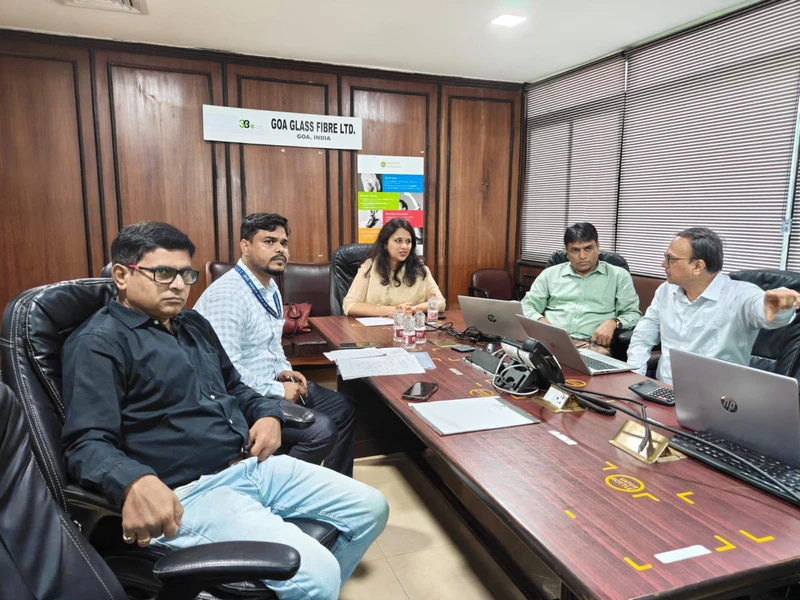
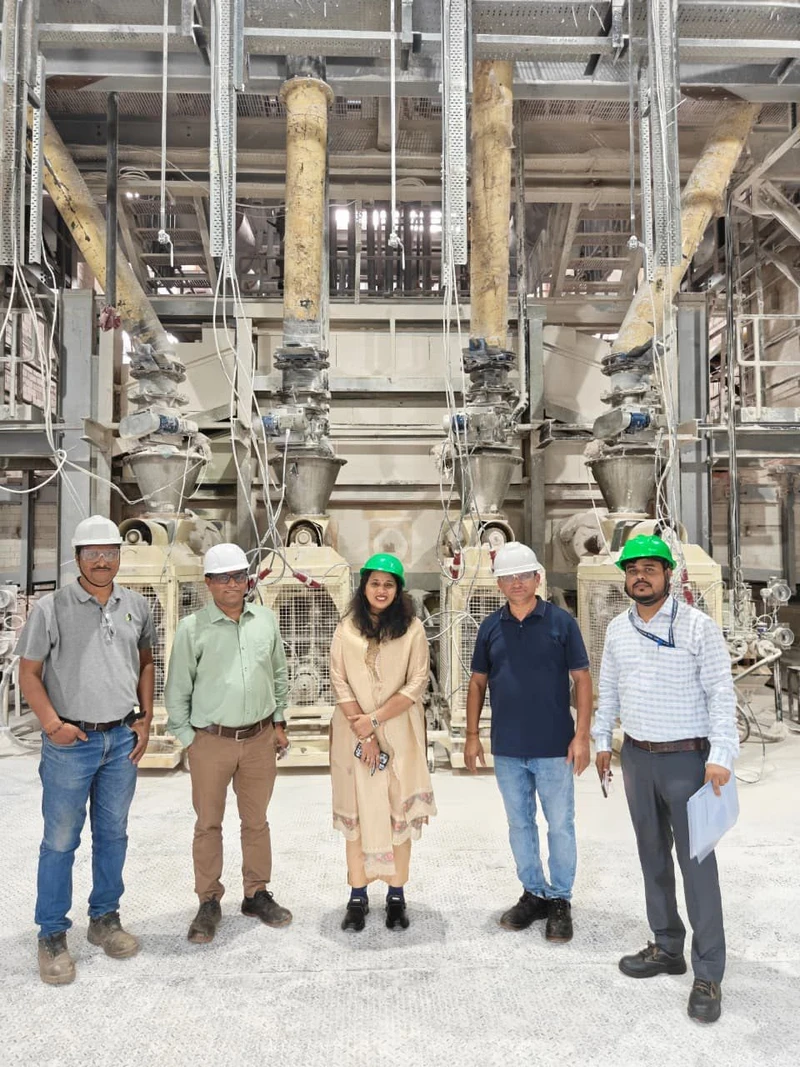
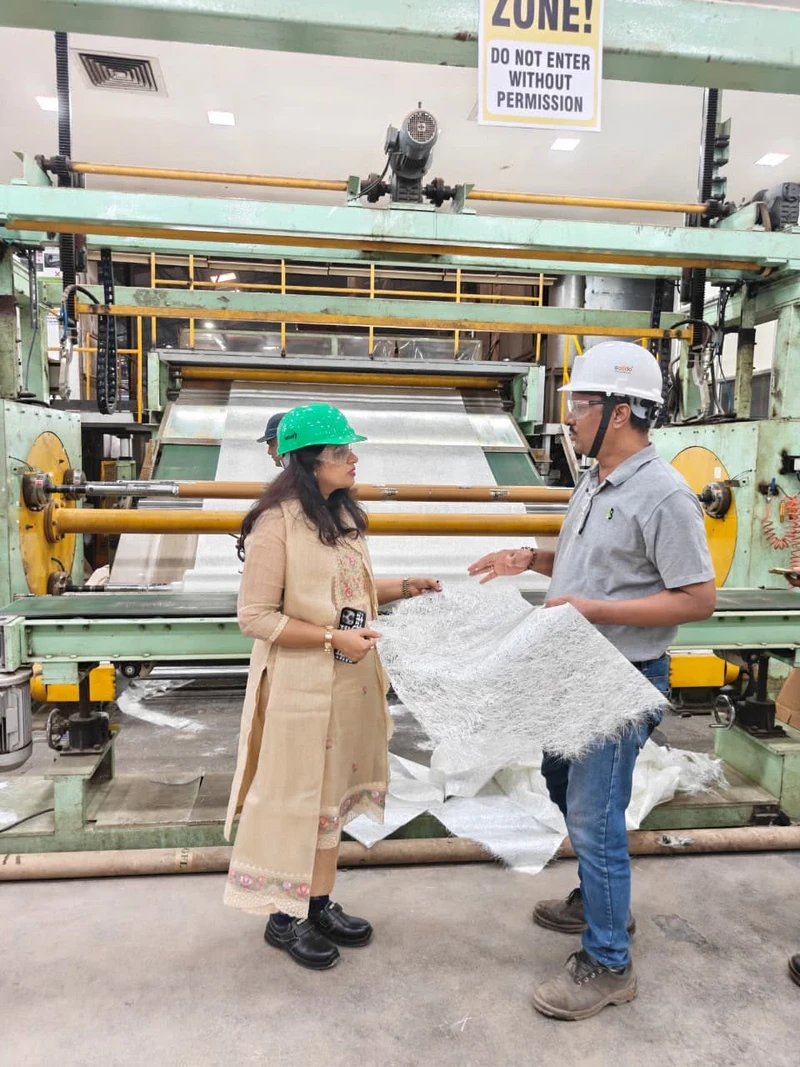
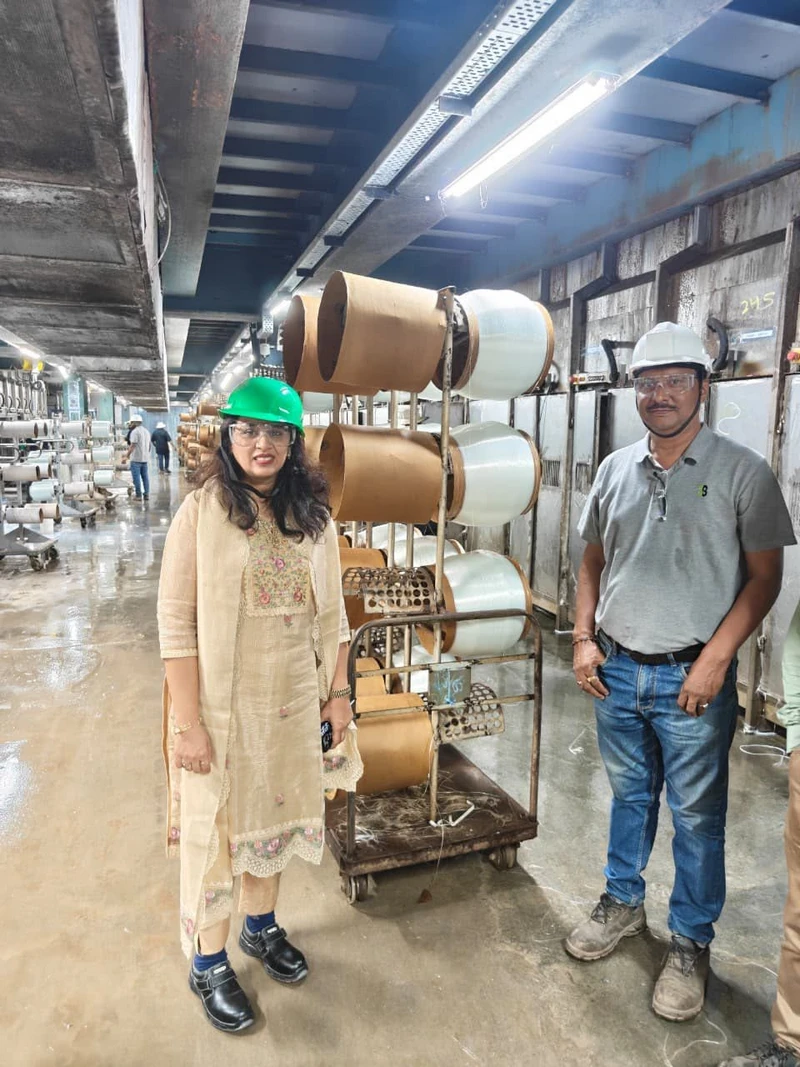
The outreach programme commenced on 13 June with the Textile Commissioner’s visit to the manufacturing facility of 3B Advanced Composites Private Limited in Goa, a company undertaking capacity expansion under the Ministry of Textiles’ Production Linked Incentive (PLI) Scheme. During the visit, she reviewed the company’s advanced manufacturing capabilities, innovation-driven initiatives and sustainability practices while examining its production of high-performance glass fibre reinforcement solutions catering to strategic sectors such as automotive, wind energy, construction and advanced composites. She also held detailed discussions with the company’s management to understand operational realities, future investment plans and the challenges confronting India’s emerging glass fibre and advanced composites industry. The concerns and suggestions raised by the company were noted for appropriate policy facilitation and coordination with relevant stakeholders.
The visit highlights the growing importance of technical textiles and advanced materials in India’s industrial transformation. Glass fibre composites have become indispensable across sectors such as electric mobility, renewable energy, defence, aerospace, railways, marine engineering and modern infrastructure because of their superior strength-to-weight ratio, durability and corrosion resistance. As India pursues ambitious targets in clean energy, infrastructure development and advanced manufacturing, domestic production of high-performance composite materials is becoming increasingly critical for reducing import dependence and strengthening supply chain resilience.
The Government’s Production Linked Incentive Scheme has consciously expanded its focus beyond conventional textiles to promote high-value technical textiles and advanced manufacturing. Complemented by the National Technical Textiles Mission, the initiative seeks to position India as a global manufacturing hub for specialised industrial textiles by encouraging investment, innovation, research and product development. The Textile Commissioner’s visit to 3B Advanced Composites therefore reflects the Government’s commitment to nurturing globally competitive enterprises capable of serving sophisticated domestic and international markets.
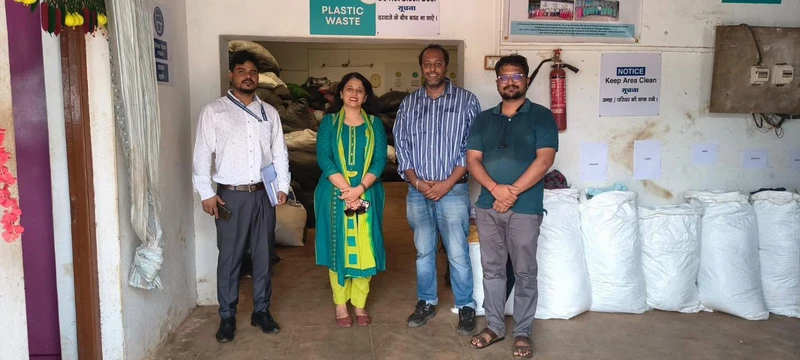
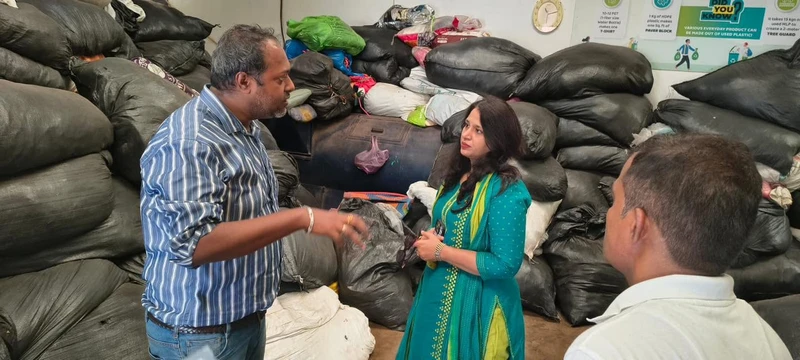
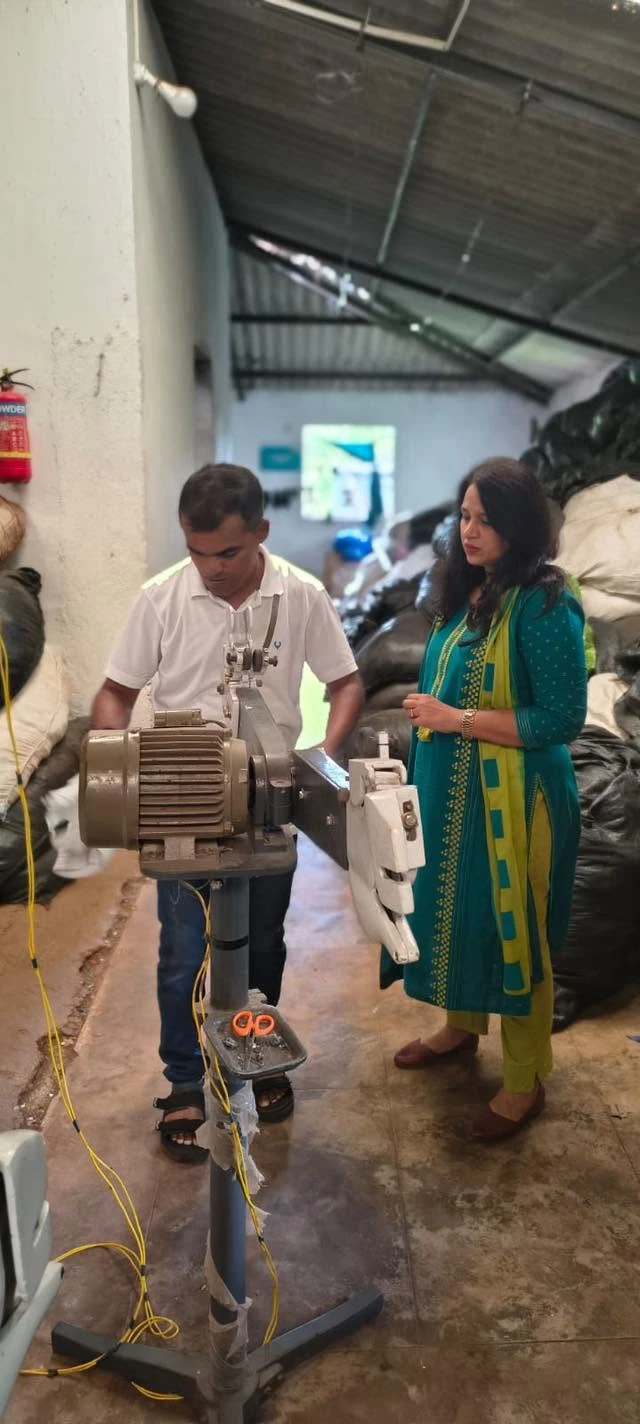
On 14 June, the Textile Commissioner visited Punarvastra Goa at Harvale, Sanquelim, an innovative textile recycling and upcycling initiative operated in collaboration with Sampurn(e)arth Environment Solutions. During the visit, she reviewed the centre’s manufacturing processes, circular economy practices and sustainability initiatives while closely examining its innovative business model that converts textile waste into value-added products. Interacting with artisans and the management team, she gained first-hand insights into the enterprise’s revenue generation model, livelihood creation initiatives and long-term scalability. Appreciating the efforts of the organisation, she emphasised the importance of sustainable and inclusive growth in the textile sector through responsible resource utilisation and circular production systems.
The visit assumes considerable significance at a time when textile waste has emerged as one of the global fashion industry’s most pressing environmental challenges. Every year, millions of tonnes of textile waste are generated worldwide, much of which ultimately ends up in landfills or incineration facilities, resulting in enormous environmental costs. India, one of the world’s largest producers of textiles and apparel, is increasingly integrating circular economy principles into its growth strategy by promoting recycling, reuse, repair and upcycling. Initiatives such as Punarvastra demonstrate how discarded textile materials can be transformed into commercially viable products while simultaneously generating employment opportunities, particularly for women and local communities. Such models reduce dependence on virgin raw materials, lower environmental footprints and strengthen India’s preparedness to meet emerging global sustainability requirements.
The importance of circularity has grown further as major international brands increasingly adopt recycled content targets, Extended Producer Responsibility (EPR) frameworks and comprehensive sustainability reporting requirements. Export markets are progressively demanding greater traceability, reduced carbon emissions and environmentally responsible manufacturing practices across the textile supply chain. By supporting initiatives such as Punarvastra, the Ministry of Textiles is encouraging the transition towards a more sustainable, resource-efficient and globally competitive textile industry.
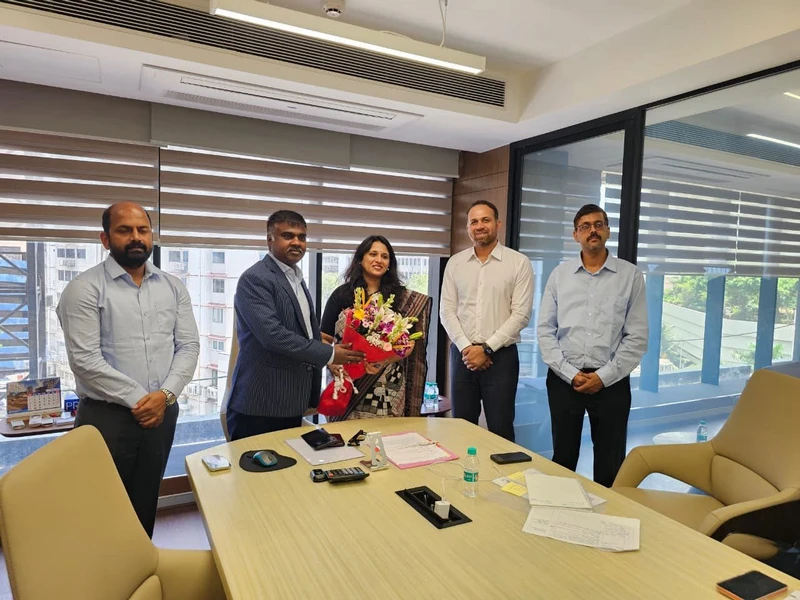
On 15 June, the Textile Commissioner reviewed the progress of the PM MITRA Park at Amravati, Maharashtra, during a high-level meeting held at the office of the Maharashtra Industrial Development Corporation (MIDC), Mumbai. The meeting, attended by Shri Velarasu, CEO, MIDC, along with senior officials from the Office of the Textile Commissioner and MIDC, focused on the current implementation status, infrastructure development, critical project issues and the roadmap for timely completion and operationalisation of the integrated textile park.
The PM Mega Integrated Textile Region and Apparel (PM MITRA) Parks Scheme represents one of the most transformative initiatives undertaken by the Government of India to modernise the textile sector. Based on the “Farm to Fibre, Fibre to Factory, Factory to Fashion and Fashion to Foreign Markets” philosophy, the scheme aims to establish world-class integrated textile ecosystems offering plug-and-play infrastructure, common utilities, logistics connectivity and manufacturing facilities across the entire textile value chain.
The Amravati PM MITRA Park is strategically located in Maharashtra’s cotton-rich Vidarbha region and is expected to significantly enhance value addition by integrating spinning, weaving, processing, garment manufacturing and technical textiles within a single industrial ecosystem. Such integration is expected to reduce logistics costs, improve productivity, attract substantial domestic and foreign investments and create large-scale employment opportunities. The project is also expected to encourage innovation, facilitate economies of scale and enhance India’s competitiveness against other global textile manufacturing destinations.
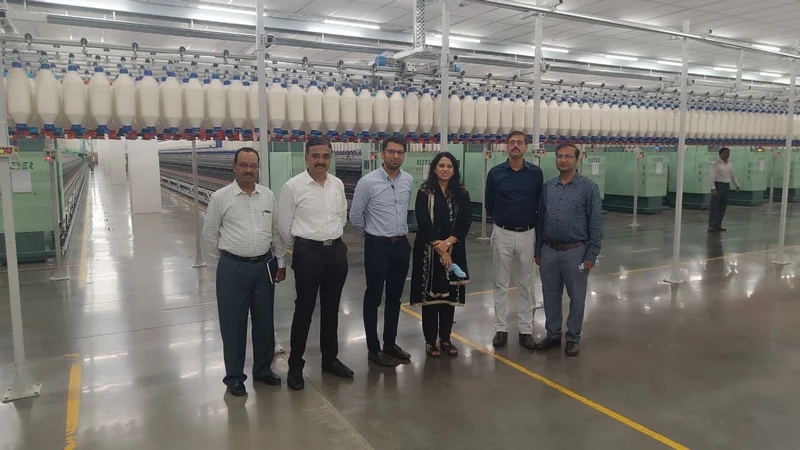
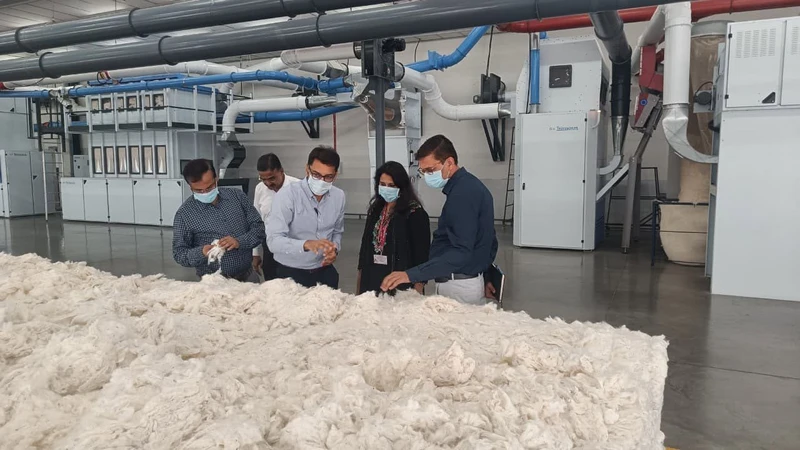
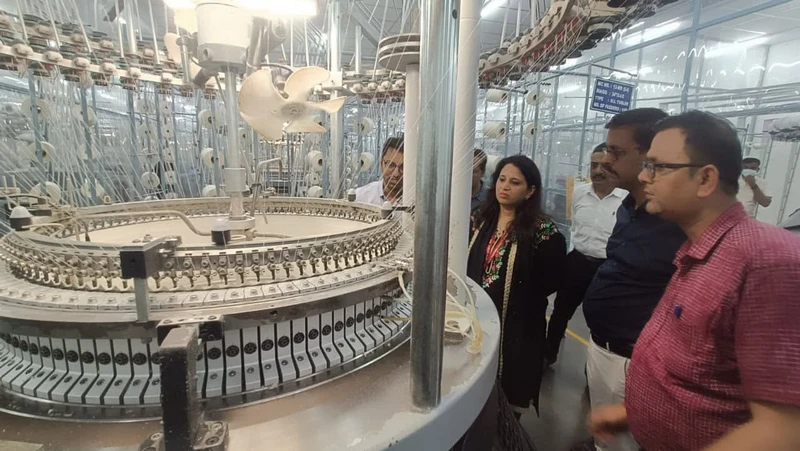
On 21 June, the Textile Commissioner continued her industry outreach in Nagpur with a visit to Sri Bhagirath Textiles Limited, where she reviewed the company’s spinning and knitting operations. She examined manufacturing processes, technology adoption, quality control systems and modernisation initiatives while interacting with the company’s management to understand production capabilities, export potential and operational challenges confronting the spinning and knitting industry. The visit reflected the Government’s continued emphasis on promoting value addition, technological upgradation and manufacturing excellence across the textile value chain.
The spinning sector forms the backbone of India’s textile industry, with the country possessing one of the world’s largest spinning capacities and ranking among the leading exporters of cotton yarn. Over the years, Indian manufacturers have steadily moved beyond commodity yarn production towards specialised and value-added products, including compact yarns, combed yarns, melange yarns, recycled yarns, organic cotton yarns and blended yarns catering to premium domestic and international brands. Parallelly, India’s knitting industry has witnessed rapid expansion, driven by growing global demand for knitted apparel, sportswear, athleisure and performance textiles. Integrated spinning and knitting facilities enable manufacturers to achieve greater production efficiencies, consistent quality, shorter lead times and improved supply chain integration, thereby strengthening India’s competitiveness in international markets.
The visit also aligns with the Ministry’s broader objective of encouraging investment in modern machinery, automation, digital production systems, energy-efficient technologies and sustainable manufacturing practices. As global buyers increasingly demand superior quality, traceability, environmental compliance and shorter delivery cycles, technological modernisation has become essential for maintaining India’s position as a preferred sourcing destination.
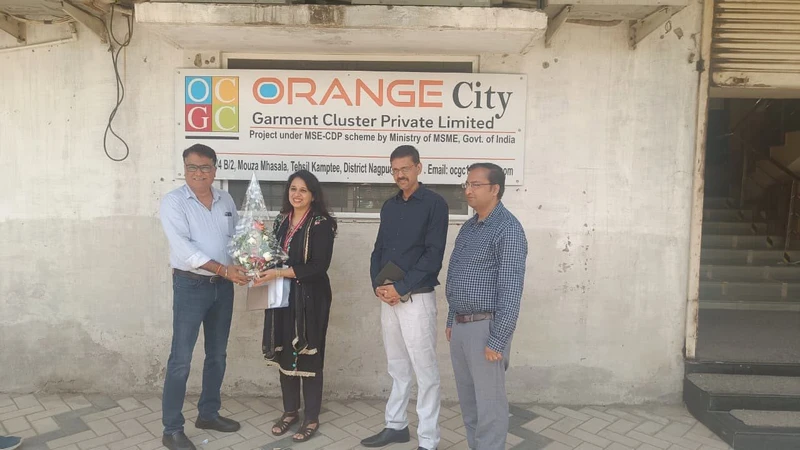
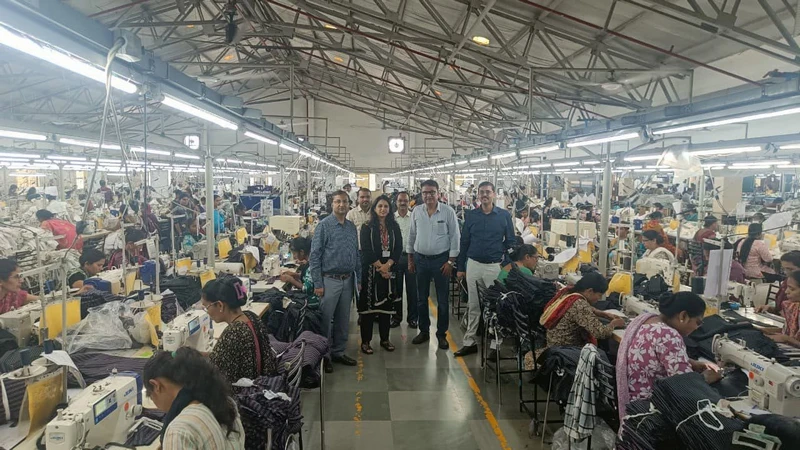
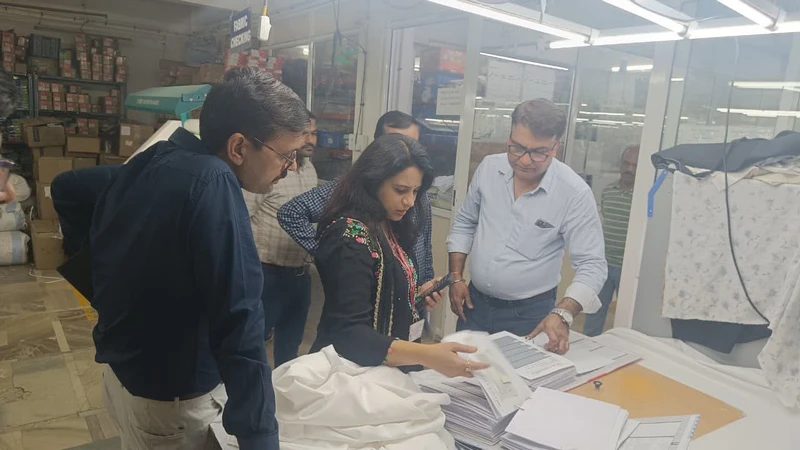
Later the same day, the Textile Commissioner visited Orange City Garment Cluster Pvt. Ltd., Nagpur, to review its garment manufacturing ecosystem and common infrastructure facilities. She assessed manufacturing operations, shared facilities and initiatives aimed at strengthening apparel production in the Vidarbha region while interacting extensively with entrepreneurs and industry stakeholders to understand market access requirements, skill development needs, investment opportunities and operational challenges. The discussions highlighted the cluster’s significant contribution towards employment generation, entrepreneurship development and regional industrial growth.
Cluster-based development has emerged as one of the most effective approaches for strengthening India’s apparel manufacturing sector, particularly in Tier-II and Tier-III cities. By providing common infrastructure, testing laboratories, design support, skill development facilities and shared services, garment clusters enable micro, small and medium enterprises to improve productivity, reduce costs and integrate more effectively into domestic and global supply chains. Such collaborative ecosystems encourage innovation, facilitate technology adoption and improve overall industrial competitiveness.
The Orange City Garment Cluster is particularly important for the economic transformation of the Vidarbha region, which has traditionally been known for cotton cultivation. By promoting value addition through garment manufacturing, the cluster is creating employment opportunities for women and youth while encouraging entrepreneurship and industrial diversification. Strengthening regional apparel manufacturing ecosystems not only supports balanced economic development but also contributes significantly to India’s labour-intensive manufacturing sector and export potential.
Taken together, these engagements present a comprehensive picture of the Government’s evolving strategy for the textile sector. Rather than focusing on isolated segments, the Ministry of Textiles is actively strengthening every link of the value chain—from advanced technical textiles and high-performance composite materials to spinning, knitting, garment manufacturing, textile recycling and integrated industrial infrastructure. This holistic approach reflects the understanding that India’s future competitiveness will depend not merely on production volumes but on innovation, sustainability, technology adoption, integrated manufacturing ecosystems and continuous value addition.
The visits also demonstrate the Ministry’s consultative approach to policymaking. Through direct interactions with manufacturers, entrepreneurs, recycling enterprises, industrial clusters and infrastructure developers, the Office of the Textile Commissioner is obtaining valuable ground-level feedback on investment requirements, technology needs, skill gaps, market access, sustainability challenges and policy bottlenecks. Such evidence-based engagement strengthens institutional responsiveness and facilitates more targeted interventions for industry growth.
Collectively, these initiatives align with several flagship national programmes, including the Production Linked Incentive Scheme, the National Technical Textiles Mission, the PM MITRA Parks Scheme, the Government’s sustainability and circular economy initiatives, Skill India, Make in India and the broader vision of Atmanirbhar Bharat. Together, these programmes seek to create a resilient, technology-driven and globally competitive textile ecosystem capable of generating employment, attracting investment, promoting innovation and expanding exports.
As the global textile industry increasingly shifts towards sustainable manufacturing, advanced materials, digitalisation, circular economy models and integrated production systems, India is positioning itself to lead this transformation. The Textile Commissioner’s recent engagements demonstrate a governance approach that combines policy implementation with active industry partnership. By engaging directly with enterprises across the entire textile value chain—from fibre and yarn to fabrics, garments, technical textiles, recycling and industrial infrastructure—the Government is reinforcing its commitment to building a modern, innovation-driven and sustainable textile industry that can compete successfully in global markets while contributing significantly to India’s economic growth and industrial development.