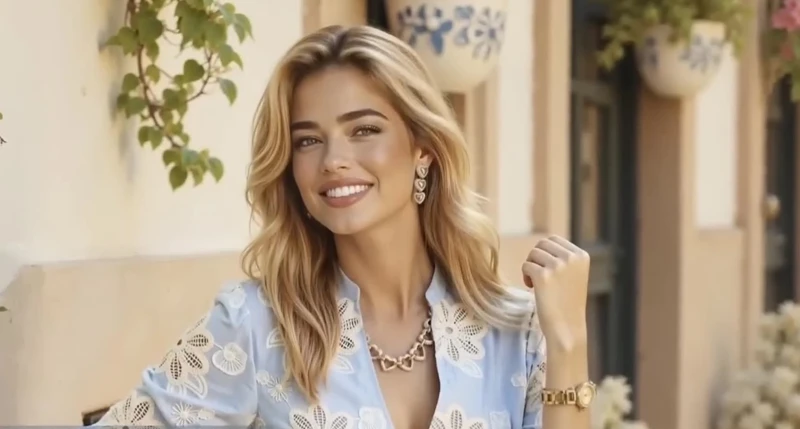
The fashion industry, long a bastion of creativity and human artistry, is undergoing a seismic transformation driven by artificial intelligence, a technology that is reshaping marketing strategies, production processes, and the very essence of how fashion is presented to the world. This shift, while promising efficiency and innovation, has ignited fierce debates about job displacement, ethical representation, and the future of beauty standards. A striking example of this evolution appeared in the August issue of Vogue, where an advertisement for the clothing brand Guess featured a model who captivated readers with her radiant smile and expressive eyes—yet she was entirely a product of AI. Created by Seraphine Valora, an AI modeling agency founded by Valentina Gonzalez and Andreaa Petrescu, this digital model represents a bold leap into a future where technology rivals human creativity. Gonzalez argues that AI can produce visuals with the same quality, beauty, and composition as traditional photography, but without the logistical hurdles of coordinating elaborate photo shoots, such as travel, lighting, and scheduling. Petrescu echoes this sentiment, viewing AI as a revolutionary tool that complements existing practices and opens new avenues for marketing innovation, allowing brands to craft campaigns with unprecedented flexibility and speed.
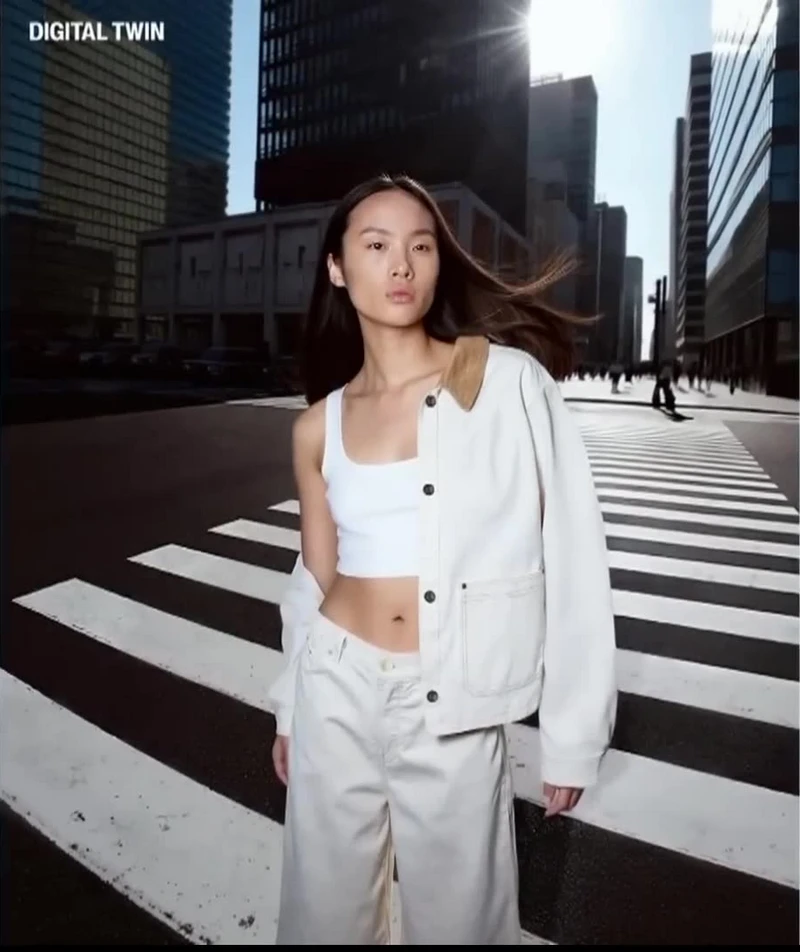
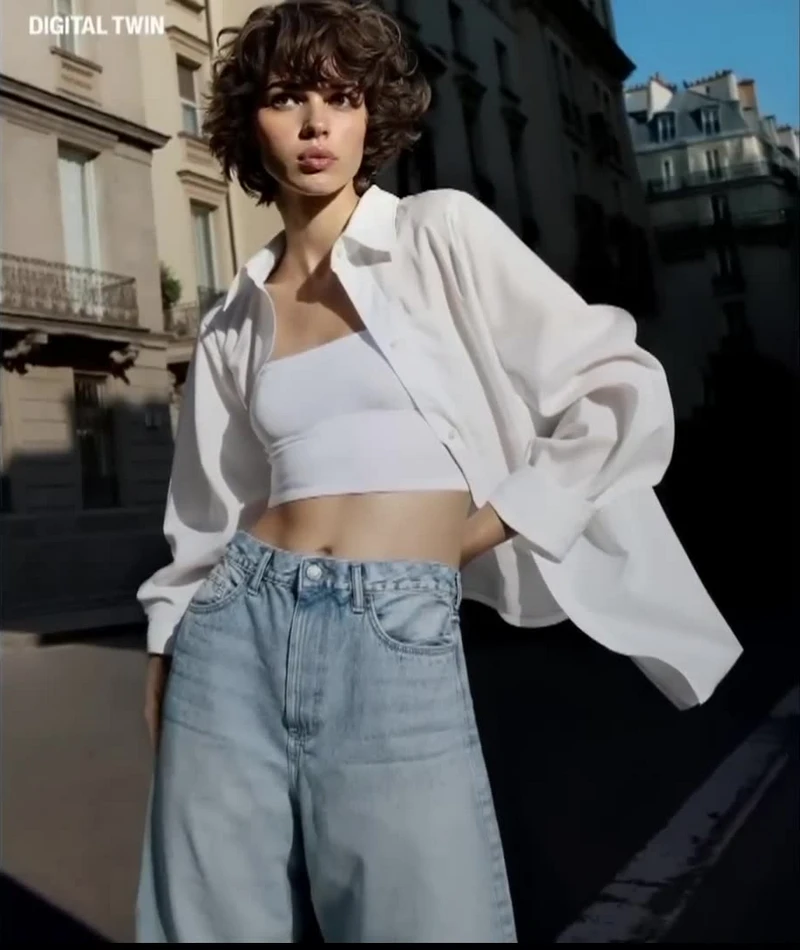
However, the Vogue ad has not been universally celebrated. Its prominence in one of fashion’s most prestigious publications has sparked significant controversy, with some critics calling for a boycott of the magazine for embracing AI-generated imagery. This backlash reflects broader anxieties about AI’s role in an industry built on human talent and authenticity. The Guess campaign is not an isolated case—earlier this year, H&M ventured into AI territory by digitally cloning real models, with their consent, to create a campaign that Sara Ziff, founder of the Model Alliance, described as less about showcasing clothing and more about flaunting the capabilities of AI technology. Ziff, a former model who advocates for workers’ rights in the fashion industry, also points to a 2023 controversy involving Levi’s, which faced criticism for planning to use AI-generated models to promote diversity. Critics argued that true inclusivity should celebrate real people from diverse backgrounds, not artificial avatars designed to simulate diversity. Ziff emphasizes that relying on AI risks undermining the industry’s progress toward authentic representation, reducing diversity to a superficial, programmable aesthetic.
For many fashion brands, the appeal of AI lies in its cost-effectiveness. Producing a traditional photo shoot involves significant expenses—hiring models, photographers, makeup artists, and stylists, as well as securing locations and equipment. AI models, by contrast, can be generated quickly and inexpensively, offering a streamlined alternative that appeals to budget-conscious companies. Yet this efficiency comes at a cost. Industry insiders warn that the rise of AI could lead to significant job losses, threatening the livelihoods of models, photographers, and other creatives who have long been the backbone of fashion campaigns. Gonzalez, however, sees a silver lining, arguing that AI creates opportunities for a new generation of digital creatives—graphic designers, AI developers, and tech-savvy artists—who can now showcase their work in top-tier fashion magazines. She believes the conversation should shift from fear of job losses to embracing the potential for AI to democratize creativity and expand access to the industry.
“Photo editing has long been standard in fashion, often without transparency. In recent years, there’s been a push for more natural, realistic imagery, but AI complicates this. The question of what’s real versus what’s manipulated isn’t unique to fashion—it’s a broader societal challenge in an AI-driven world.” – Sinead Bovell
Sinead Bovell
Sinead Bovell, a former model turned tech entrepreneur and founder of Waye, a tech education company, offers a nuanced perspective on this pivotal moment. In 2020, she predicted AI’s growing influence in fashion in a Vogue op-ed, and she now sees the Guess ad as a turning point, signaling the industry’s acceptance of AI at its highest echelons. Bovell describes Vogue as the “Supreme Court of Fashion,” suggesting that its embrace of an AI-generated model is akin to an official endorsement, cementing AI’s place in the industry’s future. Yet this milestone raises complex questions about beauty standards and consumer perceptions. Petrescu argues that AI models could alleviate the pressure on women to conform to unrealistic ideals, as viewers know these figures are digital creations, not real people who might have undergone extreme measures to achieve a certain look. Bovell, however, cautions that AI visuals have crossed the “uncanny valley,” becoming so realistic that they can be mistaken for real people without clear labeling. Currently, there is no industry-wide requirement to disclose the use of AI-generated models, leaving consumers uncertain about what they’re seeing. Bovell questions whether knowing an image is AI-generated truly prevents comparison, suggesting that the psychological impact of these hyper-perfect visuals warrants further study.
H&M digitally cloned real model with her consent
The conversation also touches on fashion’s longstanding struggle with representation, particularly in terms of body size, racial diversity, and cultural authenticity. Models and advocates have worked tirelessly in recent years to make the industry more inclusive, reflecting the diverse realities of society. AI threatens to disrupt these gains by replacing real models with generated ones, potentially sidelining diverse talent. Bovell warns of a deeper issue: “digital cultural appropriation.” Brands could use AI to create the illusion of diversity—generating models from specific communities without employing or consulting members of those communities. This practice allows companies to profit from the image of marginalized groups while bypassing authentic representation, raising ethical concerns about exploitation. For example, a brand could create an AI-generated Black woman that misrepresents or stereotypes that community, without any input from Black creatives or models. Bovell acknowledges that cultural appropriation is not illegal, but society has increasingly recognized it as problematic. In an AI-driven world, she argues, the industry must establish new ethical boundaries to ensure that generated identities are handled responsibly.
H&M digitally cloned real model with her consent
As AI continues to permeate fashion, it forces a reckoning with questions of authenticity, labor, and representation. While the technology offers undeniable benefits—efficiency, cost savings, and creative possibilities—it also challenges the industry to balance innovation with responsibility. The absence of clear regulations on AI disclosure, coupled with the potential for job displacement and cultural misrepresentation, underscores the need for a broader societal conversation about what it means to create and consume fashion in an AI-driven era. As Bovell puts it, the industry must navigate these “strange areas” to define the new lines of representation, ensuring that the pursuit of innovation does not come at the expense of authenticity or equity.