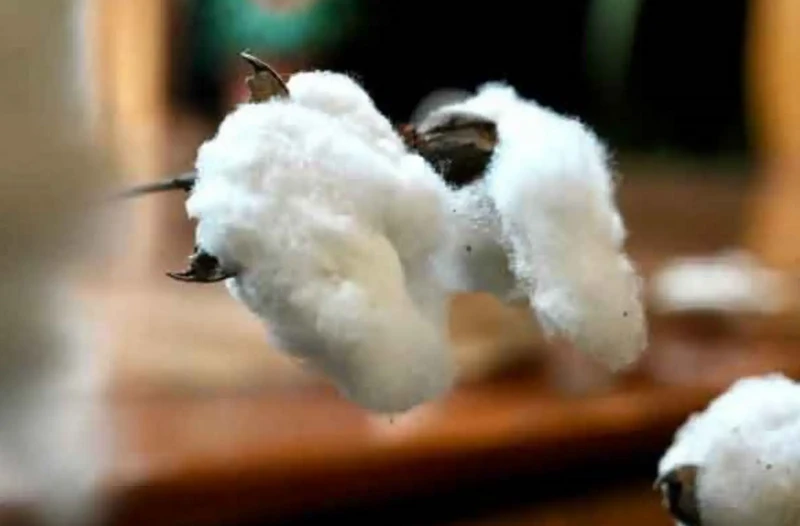
‘Extra-long miller’ cotton is a variety created by researchers at UNALM. Photo: UNALM/Dissemination
Peru Launches ‘Molinero Extralargo’ Cotton
‘Molinero Extralargo’ is more than a new seed—it’s a catalyst for transformation. Expect to see its impact in softer, longer-lasting garments and a more robust cotton value chain. Peru’s “white gold” is evolving, ready to weave greater prosperity into the nation’s future—one extraordinary fiber at a time.”
In the sun-drenched coastal valleys of Peru, where ancient textile traditions date back thousands of years to pre-Inca civilizations that first cultivated Gossypium barbadense, a bold new chapter is unfolding. The Universidad Nacional Agraria La Molina (UNALM) has unveiled ‘Molinero Extralargo’, an extra-long staple cotton variety born from over 15 years of dedicated research. This homegrown innovation blends the resilient heritage of classic Peruvian varieties like Tangüis and Pima, promising to revitalize the nation’s cotton sector, empower small farmers, and elevate the competitive edge of Peru’s textile and apparel industry on the global stage.
A Legacy of Excellence Meets Cutting-Edge Science
Peru has long been synonymous with premium cotton. Its extra-long staple (ELS) fibers—particularly Pima, with lengths often exceeding 38 mm—produce some of the world’s softest, strongest, and most luxurious yarns and fabrics. Hand-harvested in ideal coastal conditions, Peruvian Pima and the durable Tangüis (developed over a century ago by Fermín Tangüis to combat a devastating plague) have powered high-end exports, from silky shirts and premium bedding to garments prized for their breathability, dye retention, and longevity.
Yet challenges persist: declining cultivation areas, climate pressures like water stress and El Niño phenomena, reliance on imports for fine fibers, and competition from high-volume Asian producers have tested the sector. Peruvian textile and apparel exports hover around $1.8–2 billion annually, with strong demand in the U.S. and Europe, but the industry has often imported premium inputs to meet quality needs for micro, small, and medium enterprises (Mypes) in confection.
‘Molinero Extralargo’ directly addresses these hurdles. Developed through conventional genetic improvement and elite line selection from Tangüis and Pima germplasm, it represents applied science serving real-world needs. Financed in partnership with Prociencia, the project culminated in its official presentation by UNALM Rector Alberto Barrón López to Peru’s Minister of Production.
Superior Performance for a Resilient Future
Field trials highlight its standout agronomic and industrial qualities:
High Yields: Surpassing 90 quintales per hectare, potentially boosting productivity significantly for coastal farmers in central and southern Peru.
Fiber Excellence: Staple length of 36–40.4 mm (firmly in the extra-long category), micronaire under 4.5 (indicating fine fibers), strength over 33 g/tex, and uniformity near 90%. These metrics enable the spinning of finer, smoother yarns ideal for premium threads and high-value garments.
Resilience: Enhanced tolerance to water stress and climate variability, supporting more sustainable and efficient farming in vulnerable regions. It also offers improved phytosanitary traits for better disease resistance.
This combination means more abundant, reliable local supply of premium fiber—reducing logistics costs and import dependency while delivering the softness, durability, and performance that luxury buyers demand. Longer staples translate to fewer fiber ends in yarn, resulting in smoother fabrics that resist pilling, fraying, and wear; stronger threads for efficient manufacturing; and superior drape and comfort in finished products.
Economic and Social Impact Across the Value Chain
For farmers: Certified high-quality seeds will elevate productivity, stabilize incomes for thousands of families, and help revive cotton as a cornerstone of Peru’s agricultural heritage.
For the textile industry: Mypes and larger manufacturers gain easier access to domestic ELS cotton, enabling higher-value production for demanding markets in the U.S. and Europe. This strengthens competitiveness, fosters job creation (the sector already supports hundreds of thousands directly and indirectly), and supports Peru’s reputation for ethical, traceable natural fibers alongside its world-leading alpaca production.
Broader benefits include advancing climate-smart agriculture, consolidating the national seed system, and positioning Peru as a global reference in high-quality cotton innovation—building on its ancient roots while embracing modern sustainability.
As Rector Barrón emphasized, this is science translating into tangible prosperity: economic growth, dignified employment, and resilience for Peruvian families.
Looking Ahead: From Fields to Fashion
‘Molinero Extralargo’ is more than a new seed—it’s a catalyst for transformation. By bridging academia, government, and industry, UNALM is helping Peru reclaim and expand its leadership in premium textiles. As global demand grows for sustainable, high-performance natural fibers over synthetics, this Peruvian innovation offers a compelling story of quality, heritage, and forward-thinking ingenuity.
Expect to see its impact in softer, longer-lasting garments and a more robust cotton value chain. Peru’s “white gold” is evolving, ready to weave greater prosperity into the nation’s future—one extraordinary fiber at a time.
The Universidad Nacional Agraria La Molina (UNALM), located in Lima, Peru, is the country’s premier public university specializing in agricultural, biological, and forestry sciences.